IEA: EU enters winter with lowest gas storage since 2013, tightness could persist until mid-2027
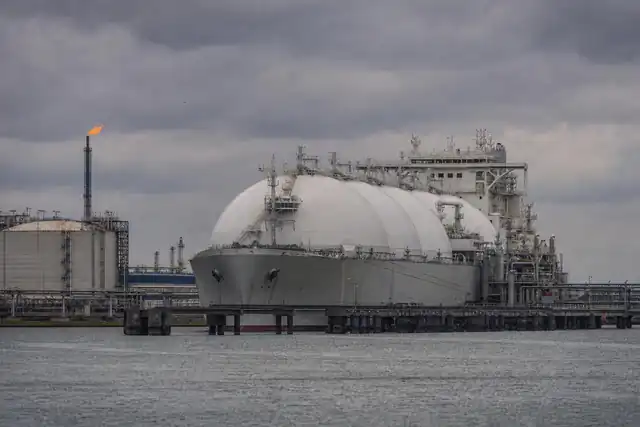
The European Union is starting the 2026-2027 heating season with the lowest natural gas storage levels since 2013, the International Energy Agency reports. The agency considers it plausible that the resulting tightness in the global gas market will persist until mid-2027.
According to the IEA, EU storage facilities are entering the 2026-2027 winter at their lowest level in more than ten years, the first time since 2013. In the Global Gas Security Review 2026, the agency points to the risk that Europe will be left vulnerable if winter turns out colder than average or if a technical outage or other supply disruption occurs: the buffer to absorb such a shock is smaller than usual this year.
Germany, the EU's largest economy, illustrates where that tightness originates. According to a single source, NU.nl, German gas storage stood at 61 to 62 percent last Sunday, against a national filling target of 70 percent for that date; other media have not yet confirmed this figure. The German government nonetheless says it foresees no problems for the winter, but the gap with its own filling target shows how unevenly storage levels are spread across the EU.
The IEA reasons that low European storage levels, combined with limited storage capacity among LNG importers in Asia and South America, could sharpen competition for freely reroutable LNG cargoes and push up spot prices, particularly during peak periods. A low starting position this autumn also increases demand for extra injections to bring storage back up to standard by the summer of 2027, according to the report, which could allow tension in the global market to persist until halfway through next year.
For traders and suppliers, what matters most is how quickly the fill rate falls this winter. If the decline stays within the normal range, the price effect will be limited; if winter turns out colder than average, the margin for getting through without price shocks is smaller this year than in previous winters. That risk is not confined to Germany: a tighter EU balance feeds through into forward prices across the whole continent.
newsroom_reader.sources
newsroom_reader.sources_news
- 1NU.nl · 3 nov. 2026 · nu.nlEuropese Unie gaat winter in met kleinste gasvoorraad in ruim tien jaar
- 2De Telegraaf · 3 nov. 2026 · telegraaf.nl’Europa start winter met laagste gasvoorraad in ruim 10 jaar’
- 3NU.nl · 2 nov. 2026 · nu.nlDuitsland haalt gasvuldoel niet, maar maakt zich geen zorgen
- 4en.apa.az · en.apa.azIEA: Low gas reserves in Europe pose risk of price increases in global LNG market
- 5www.rttnews.com · rttnews.comLow Storage Buffers In Europe Could Prolong Gas Market Tightness Into 2027: IEA