PosHYdon: not the electrolyser but the organisation is the obstacle to offshore hydrogen
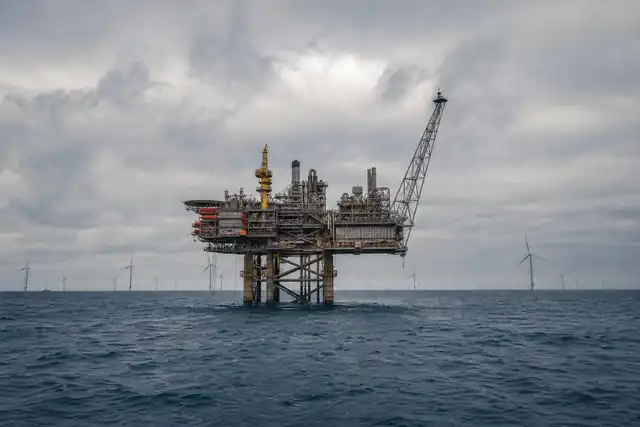
PosHYdon, the Dutch pilot project that this summer produced green hydrogen for the first time anywhere in the world on an operational gas platform in the North Sea, has concluded after five years. The central conclusion from the final report: it is not the technology but the organisational integration of technology, infrastructure, permits, contracts and stakeholders that forms the bottleneck for scale-up.
The Q13a-A platform, roughly 13 kilometres off the coast near Scheveningen and operated by Eni Energy Netherlands, converted seawater into green hydrogen via electrolysis for the first time anywhere in the world in July 2026, powered by offshore wind electricity. The consortium, which includes Eni, Gasunie, Eneco, DEME Offshore, TAQA, EBN and TNO, spent five years gathering technical, operational and regulatory experience on the platform.
In its final report, TNO draws a pointed conclusion: the main barriers to offshore electrolysis lie not with the electrolyser itself, but at the interfaces between technology, infrastructure, regulation, permits, contracts and stakeholders. TNO explicitly states that measurement protocols, certification of origin and coordination between stakeholders are not supporting activities but critical building blocks that must be incorporated from the start of a project, not shortly before commissioning.
That is a relevant warning for the next generation of offshore hydrogen projects, which PosHYdon itself identifies as the sector's goal: scaling up to installations of hundreds of megawatts. In such a hub model, with a wind farm, a platform, a grid operator and an off-taker, the number of contractual and regulatory interfaces multiplies compared with the single-platform pilot. As a result, it is not the maturity of electrolysis technology that will determine the pace of scale-up, but the speed at which certification, measurement methods and cooperation agreements between all parties involved are finalised.