Connecting energy and data
Imbalance
Imbalance is the difference between a scheduled energy position and actual generation or consumption. Settlement rules and price signals vary by country and period. Imbalance, reserve and day-ahead prices measure different things.
Updated 22 October 2026
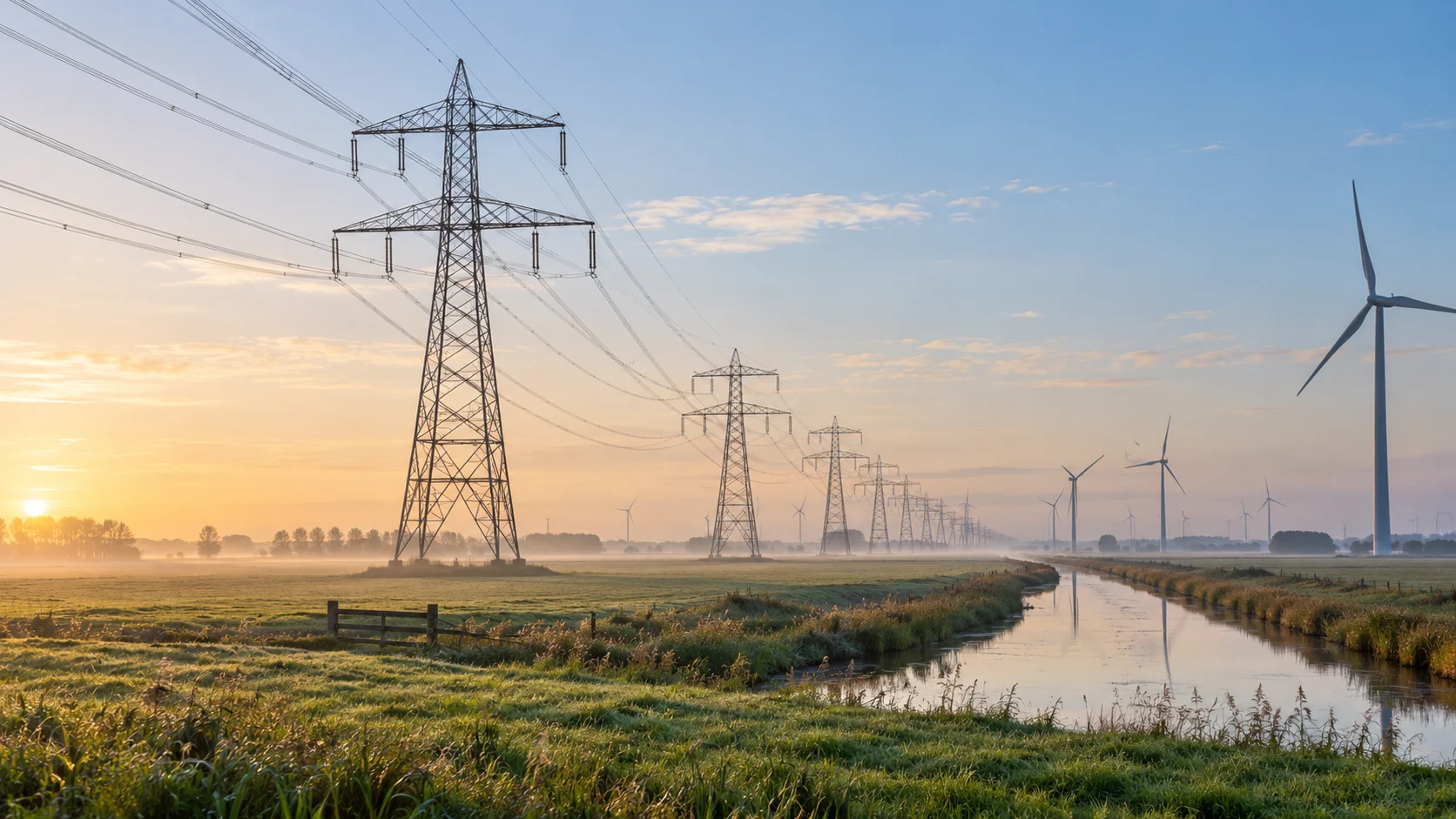
What is imbalance in the energy market? Imbalance arises when actual production or consumption of electricity deviates from the submitted energy programme (E-programme). TenneT, the national grid operator, ensures the grid remains balanced and settles based on quarter-hour averages. This deviation is settled against imbalance prices. Every producer or large consumer with their own connection encounters this.
Who is responsible for imbalance? Responsibility lies with the balance responsible party (BRP). This party submits the E-programme to TenneT and must ensure actual injection and consumption match the forecast. Deviations are settled via the imbalance market. Organisations without their own BRP usually delegate this to their energy supplier.
How is the imbalance price determined? The imbalance price is based on the deployment of balancing capacity by TenneT. When there is a shortage or surplus on the grid, bids from aFRR or mFRR providers are activated. The price at which the grid is balanced is the imbalance price. This can be positive or negative, depending on market surplus or shortage.
What are passive and active imbalance? Passive imbalance occurs without the consumer or producer actively controlling; they simply deviate from the programme. Active imbalance is deliberate control based on market information. You then use price signals to buy cheaply or sell expensively in imbalance. This requires analysis and speed.
How can I benefit from imbalance prices? This can be done by producing or consuming flexibly and responding to expected imbalance signals. For example: charging batteries at negative imbalance prices or increasing production during a shortage. Forecasting tools and real-time control are essential for this. This strategy is especially profitable for parties with flexibility.
What risks are associated with trading imbalance? Price volatility is high: imbalance prices can vary strongly within minutes. Without good forecasts and response, you can incur high costs. There are also technical requirements for metering data and registration with TenneT or via an aggregator. Incorrect estimates can lead to losses.
How does imbalance relate to balancing markets? Balancing markets (FCR, aFRR, mFRR) are proactive and contracted; imbalance is reactive and settlement-driven. Imbalance prices are partly determined by balancing bids. Parties can both actively bid on balancing markets and benefit from imbalance, provided coordination is good.
Can small consumers or collectives participate in the imbalance market? Indirectly yes. Through cooperation with a BRP or aggregator, smaller parties can also offer their flexibility. Think of business parks, homeowners’ associations or local energy cooperatives. It is important that your flexibility is predictable and controllable, and that you have a suitable contract partner.
What is the role of forecasting models in imbalance optimisation? Forecasting is crucial. Good predictions of production (e.g. solar/wind) and consumption help create accurate E-programmes and minimise deviations. Advanced models use weather data, historical consumption and AI to optimise expected profiles. This predictability is also essential for active imbalance trading.
How do I set up a strategy for active imbalance control with a battery? Analyse historical imbalance prices and identify patterns (e.g. negative prices around midday sun). Ensure real-time monitoring and automatic dispatch software that sends orders based on price signals. Coordinate this with your BRP and integrate battery data (SoC, capacity, power limits). A successful strategy requires IT integration, data science, and market knowledge.
Always the first energy insight
Subscribe to our newsletter and receive current market information, smart insights, and updates about our platform. Short, relevant, and directly applicable.
Top-Bottom Spreads TB-spreads – the difference between peak and off-peak prices on the energy market – are rapidly evolving from niche indicators to indispensable control variables… Read more →
Imbalance In the dynamic energy market, imbalance is the playing field for profit and risk. Profiteia offers real-time, validated insights and smart forecasts… Read more →
Flexibility and batteries Flexibility is the key to profit in an energy market full of sun, wind and data. Profiteia helps you with real-time insights… Read more →
Sources and terminology
Check the source and the conditions for the relevant country and market product.
Connecting energy and data
Experience Profiteia yourself.
Discover which data and tools support your work. Try the demos.